
 Reviews
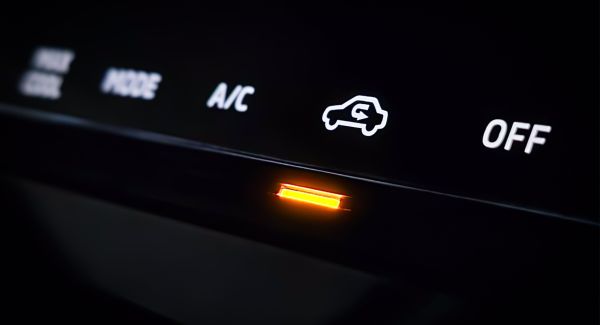
Your vehicle’s air conditioning system does much more than keep you cool during hot weather. A properly functioning AC system helps improve cabin comfort, reduce humidity, support windshield visibility, and enhance your overall driving experience. When your AC system starts showing signs of trouble, catching the problem early can help you avoid expensive repairs and major component failure.
Understanding how your vehicle’s air conditioning system works and knowing the warning signs of failure can help you stay proactive about maintenance and repairs.
Why Your Vehicle’s AC System Matters
Your vehicle’s air conditioning system is designed to regulate cabin temperature and maintain comfortable airflow throughout the vehicle. Modern AC systems also work alongside other vehicle systems to improve comfort and functionality.
A healthy AC system helps:
- Keep cabin temperatures comfortable
- Remove humidity from the air
- Improve windshield defrosting
- Support interior air quality
- Reduce driver fatigue during long trips
Because the system contains several interconnected components, even a small issue can eventually affect overall performance.
Common Signs Your Vehicle’s AC System Is Failing
Most air conditioning problems begin with subtle warning signs. Recognizing these symptoms early and booking service at I-Tech Complete Car Care can help you prevent more serious damage to the system.
Warm Air Coming from the Vents
If your vents are blowing warm or mildly cool air instead of cold air, there may be an issue with:
- Refrigerant levels
- The compressor
- Refrigerant leaks
- Electrical components
- Pressure switches
Warm air is often one of the earliest and most noticeable signs of AC system trouble.
Weak Airflow
If airflow feels weak even when the fan is set to high, the problem could involve:
- A clogged cabin air filter
- A failing blower motor
- Ventilation blockages
- Electrical issues within the HVAC system
Reduced airflow can make the cabin feel uncomfortable and force the system to work harder.
Strange Sounds While the AC Runs
Grinding, rattling, squealing, or clicking noises may indicate worn or damaged components within the AC system.
Common causes include:
- Compressor problems
- Loose pulleys or belts
- Blower motor issues
- Internal component wear
Unusual noises should never be ignored because they can signal larger mechanical failures.
Unpleasant Odors from the Vents
Musty or moldy smells from the vents often happen when moisture builds up inside the evaporator housing. This creates an environment where mold and bacteria can grow.
You may notice these odors most when first turning on the AC.
Water Leaking Inside the Cabin
If you notice moisture or water on the passenger-side floorboard, the evaporator drain may be clogged.
When condensation cannot drain properly, water may leak into the cabin and potentially damage carpets or interior materials.
AC Cycles On and Off Frequently
If your vehicle’s AC repeatedly turns on and off in short bursts, the system may be experiencing pressure or electrical issues.
This can happen because of:
- Low refrigerant
- Sensor problems
- Compressor clutch failure
- Electrical malfunctions
Frequent cycling can reduce cooling performance and increase strain on the system.
Main Components of Your Vehicle’s AC System
Your vehicle’s air conditioning system relies on several major components working together to produce cold air and regulate cabin comfort.
- Compressor: The compressor acts as the heart of the AC system. It pressurizes and circulates refrigerant throughout the system. Without the compressor, the refrigerant cannot move properly, and cooling cannot occur.
- Refrigerant: Refrigerant is the substance responsible for absorbing and transferring heat. As refrigerant circulates through the system, it changes between liquid and gas form to remove heat from the cabin and release it outside the vehicle.
- Condenser: The condenser helps cool the refrigerant after it leaves the compressor. Located near the radiator, the condenser releases heat collected from inside the cabin.
- Evaporator: The evaporator absorbs heat and humidity from cabin air. As warm air passes across the evaporator, cooled air is sent back through the vents into the vehicle interior.
- Expansion Valve or Orifice Tube: This component controls refrigerant flow and regulates pressure throughout the system. If the expansion valve malfunctions, cooling performance may become inconsistent.
- Blower Motor: The blower motor pushes air through the ventilation system and into the cabin. Weak airflow may indicate blower motor problems or electrical issues.
- Cabin Air Filter: The cabin air filter removes dust, pollen, and contaminants before air enters the cabin. A clogged filter can reduce airflow and negatively affect air quality.
How the AC System Supports Overall Vehicle Performance
Your vehicle’s air conditioning system contributes to more than just comfort. It also supports other important vehicle functions.
Improves Driver Comfort and Focus
Driving in extreme heat can lead to fatigue and discomfort. A properly working AC system helps you stay alert and comfortable behind the wheel.
Supports Windshield Defrosting
Your defrost system relies on the AC system to remove moisture from the air. This improves visibility during rainy, humid, or cold weather.
Helps Maintain Interior Air Quality
The air conditioning system filters and circulates cabin air, helping reduce dust, allergens, and humidity buildup.
Protects Interior Components
Excess heat and moisture can affect electronics, upholstery, and dashboard materials over time. Your AC system helps regulate interior conditions and reduce wear.
How You Can Stay Proactive About AC Service
Routine maintenance and early inspections at I-Tech Complete Car Care in Hollywood can help extend the life of your vehicle’s air conditioning system.
Replace the Cabin Air Filter Regularly
A clean filter improves airflow and helps your HVAC system operate efficiently.
Run the AC During Colder Months
Using your AC periodically year-round helps keep seals lubricated and refrigerant circulating properly.
Schedule Inspections Early
If you notice weak airflow, warm air, strange sounds, or odors, schedule an inspection before the issue worsens.
Check Refrigerant Levels
Low refrigerant can reduce cooling performance and place additional stress on the compressor.
Keep the Condenser Clean
Road debris and dirt can block airflow through the condenser and reduce cooling efficiency.
Professional AC at I-Tech Complete Car Care Repair Helps Protect Your Vehicle
Your vehicle’s air conditioning system contains complex mechanical and electrical components that require professional diagnostics and service. Whether your AC is blowing warm air, producing unusual noises, or showing signs of reduced performance, early repairs at I-Tech Complete Car Care can help prevent larger system failures and restore cabin comfort.
By understanding the warning signs of AC problems and staying proactive with maintenance, you can help keep your vehicle comfortable, efficient, and ready for the road in every season. Book service today by giving us a call! (954) 399-9919