
 Reviews
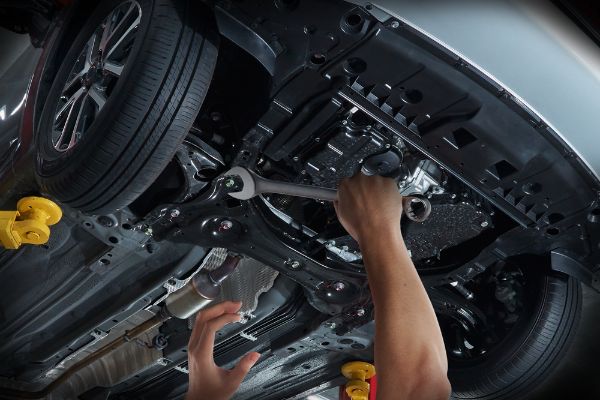
Your vehicle's suspension system does much more than provide a comfortable ride. It helps keep your tires in contact with the road, supports the vehicle's weight, absorbs bumps and road impacts, and helps you maintain control while steering, braking, and driving. When you start hearing unusual noises, they may be telling you that you need suspension repair.
Ignoring those sounds can allow a relatively small suspension problem to develop into more extensive damage. Understanding what different noises can mean can help you recognize problems early and have them addressed before they affect other parts of your vehicle.
What Does Your Suspension System Do?
Your suspension system connects your vehicle to its wheels and helps control how the vehicle responds to the road. It includes several components that work together to support the vehicle and maintain stability.
Depending on your vehicle, the suspension system may include:
- Shocks and struts
- Coil springs
- Leaf springs
- Control arms
- Ball joints
- Tie rods
- Sway bar links and bushings
- Wheel bearings
- Steering components
- Mounts and bushings
Your springs help support the vehicle's weight and absorb energy from bumps and uneven pavement. Shocks and struts help control the movement of those springs so your vehicle doesn't continue bouncing after hitting a bump.
Other suspension components help keep your wheels properly positioned while allowing them to move as you travel over different road surfaces. When these parts are working properly, you get better handling, stability, ride quality, and tire contact with the road.
What Suspension Noises Should You Pay Attention To?
Unusual sounds from underneath your vehicle shouldn't be ignored. Different noises can point to different suspension problems.
Clunking or Knocking
A clunking or knocking sound when you drive over bumps may indicate worn or damaged suspension components. Loose or worn sway bar links, bushings, ball joints, control arms, or strut mounts can allow excessive movement and create these noises.
If you hear a clunk every time you go over a pothole or speed bump, it's worth having your suspension inspected.
Squeaking or Creaking
Squeaking or creaking noises can occur when suspension components move against each other. Worn bushings, damaged mounts, or aging suspension components can contribute to these sounds.
You may notice the noise when turning the steering wheel, going over bumps, or getting in and out of your vehicle.
Grinding
Grinding is a noise you shouldn't overlook. It may indicate significant wear or damage to a suspension or related component. In some situations, grinding can also originate from the brakes or wheel bearings.
Because several vehicle systems can produce similar sounds, you'll want a technician to properly diagnose the source instead of assuming the suspension is responsible.
Rattling
A rattling sound from underneath your vehicle can indicate a loose or worn suspension component. It may also be caused by damaged mounting hardware or other components that have excessive movement.
A technician can inspect the suspension and determine whether the noise is coming from a loose component or something more serious.
Popping
A popping sound while turning or going over uneven surfaces may indicate a problem with ball joints, strut mounts, control arms, or other suspension and steering components.
If the popping is accompanied by changes in steering or handling, have your vehicle inspected promptly.
Other Signs You May Need Suspension Repair
Noise isn't the only warning sign. You may also notice changes in the way your vehicle drives.
Watch for:
- Excessive bouncing after hitting a bump
- Vehicle pulling to one side
- Uneven or rapid tire wear
- Excessive body roll when turning
- Vehicle dipping forward during braking
- A vehicle that feels unstable at higher speeds
- Steering that feels loose or difficult to control
- Uneven vehicle height
- Fluid leaking from a shock or strut
- Increased vibration while driving
If you notice one or more of these symptoms, a suspension inspection can help identify worn or damaged components before the problem becomes more extensive.
How Suspension Problems Can Affect Other Components
Your suspension system doesn't operate independently. When one component begins to fail, it can change the way other parts of your vehicle operate.
For example, worn shocks or struts can allow excessive bouncing and movement. This can contribute to uneven tire wear and reduce consistent contact between your tires and the road. Worn suspension components can also affect wheel alignment, causing your tires to wear prematurely.
A failing ball joint, control arm, or other steering and suspension component can also affect handling and stability. In more severe cases, excessive movement can place additional stress on connected components.
Neglecting suspension problems may eventually lead to additional issues involving your:
- Tires
- Wheels
- Wheel bearings
- Steering components
- Braking system
- Shocks and struts
- Control arms
- Ball joints
- Sway bar components
- Alignment angles
Addressing suspension problems early can help you avoid unnecessary wear and more expensive repairs.
Don't Ignore What Your Vehicle Is Telling You
Your vehicle's suspension plays an important role in keeping you comfortable, stable, and in control. Unusual clunks, squeaks, rattles, grinding, or popping sounds can indicate that one or more components need attention.
If you notice a new noise or a change in how your vehicle handles, don't wait for the problem to get worse. Having your suspension inspected at an auto repair shop like I-Tech Complete Car Care can help identify the source of the issue and determine whether suspension repair is needed. Timely service can also help protect your tires, steering, brakes, and other components from additional wear. Schedule service today!